Key Takeaways
IML integrates labels during moulding for superior adhesion on high-volume tubs. Traditional labelling offers lower upfront tooling costs but higher long-term application variability. Production speed favours IML at volumes above 500,000 units.
How In-Mould Labelling Works on Tubs
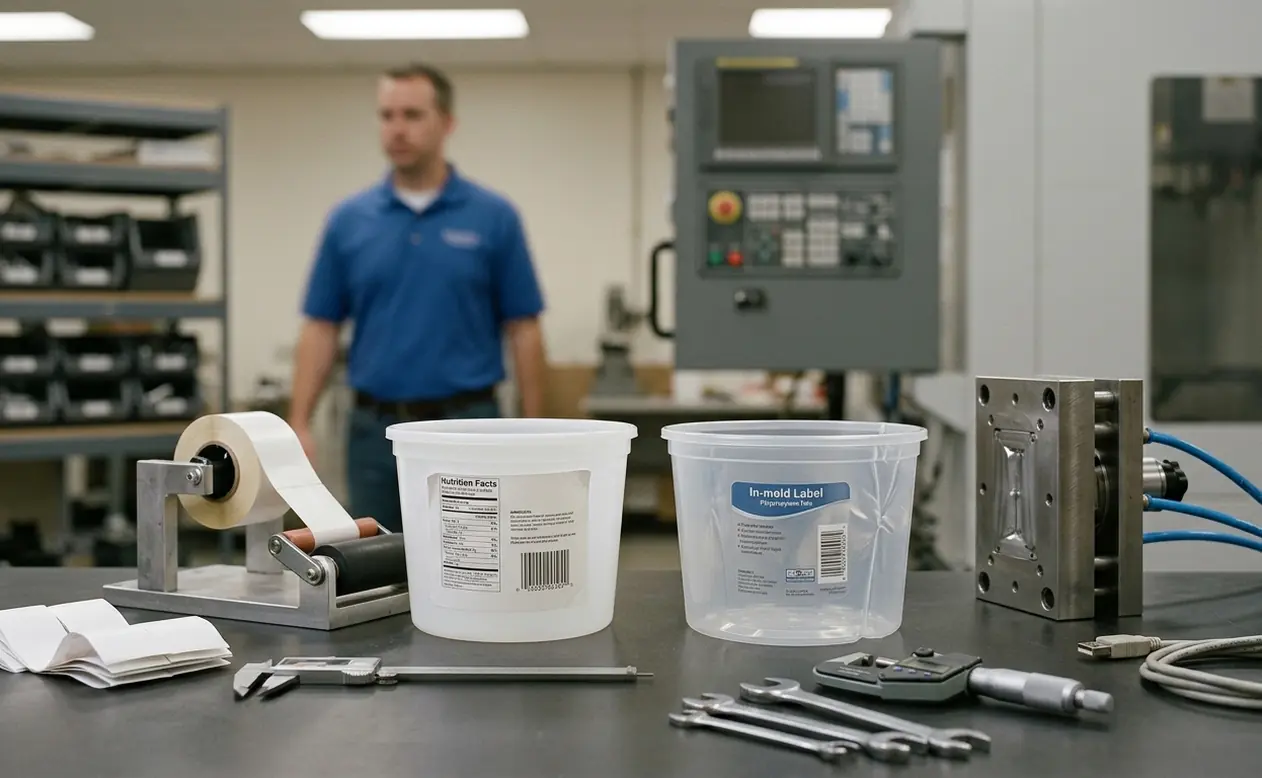
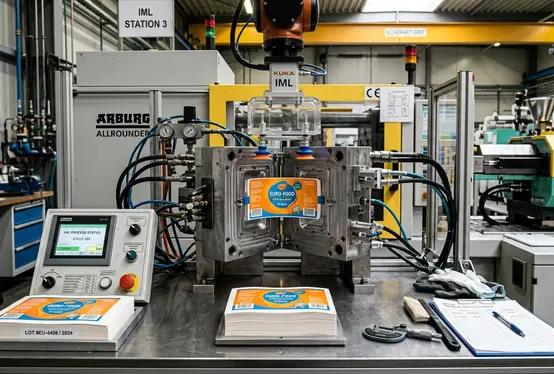
Label placement inside the mould before resin injection comes first. Heat and pressure fuse label to container wall next. Common materials include PP and PE tubs for dairy and spreads.
Engineers initially tested pneumatic arms for label placement, but static charge buildup caused misalignment. The final process relies on servo-driven electrostatic pinning mandrels to secure the label. Injection temperatures range from 200°C to 230°C for polypropylene. Cycle times sit between roughly 4 and 6 seconds per mould, based on project outcomes.
Traditional Labelling Techniques for High-Volume Tubs
Pressure-sensitive and heat-transfer methods dominate here. Post-mould application on rotary or linear lines follows. Adhesive performance on curved and textured surfaces determines success.
To mitigate edge-lift on tapered tubs, the production team adjusted the rotary applicator to apply a differential pressure profile, pressing the leading edge firmly before smoothing the trailing edge. Application speeds reach 300 to 450 tubs per minute. Adhesive curing periods last 24 to 36 hours for full cross-linking.
Cost and Production Efficiency Comparison
Tooling investment versus per-unit running costs sets the baseline. Changeover times on high-speed lines matter most at scale. Waste rates during extended production runs affect margins directly.
Operational Comparison: IML vs. Traditional Labelling| Metric | In-Mould Labelling (IML) | Traditional (Pressure-Sensitive) |
|---|---|---|
| Tooling Lead Time | 12 to 16 weeks | 2 to 4 weeks |
| Format Changeover | 15 to 25 minutes | 45 to 65 minutes |
Procurement managers evaluated the total cost of ownership by mapping the upfront tooling premium of IML against the ongoing consumable costs of backing paper and adhesive in traditional methods.
Durability, Print Quality and Shelf Impact
Resistance to moisture, abrasion and temperature cycling decides long-term performance. Colour consistency across large batches protects brand appearance. Consumer perception of premium versus standard packaging influences purchase decisions.
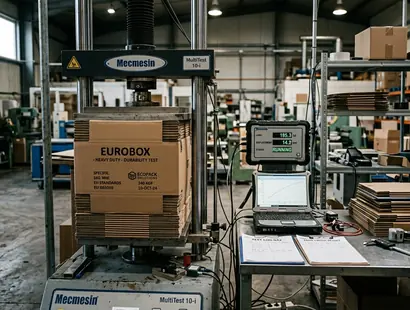
Quality control teams subjected both tub types to accelerated lifecycle testing, simulating cold-chain condensation and transit vibration to evaluate label delamination risks under realistic retail conditions. Temperature cycling ranges from -18°C to 4°C. Abrasion resistance testing reaches 2,500 to 3,000 scuff cycles.
Selection Criteria and Practical Limitations
Container geometry and resin type constraints guide early decisions. Minimum order volumes for economic viability start at 500,000 units. Supply chain flexibility requirements close the list.
Packaging engineers map the draft angle of the tub during the design phase; steep draft angles dictate the use of segmented label designs to prevent wrinkling during the high-pressure injection phase. Minimum draft angle requirements run 2.5 to 4 degrees. Minimum order quantities span 500,000 to 750,000 units per SKU.
IML integration requires the tub and label to be manufactured from the exact same polymer family to ensure proper fusion and subsequent recyclability.