Key Takeaways
Main Point: Establishing core design parameters requires cross-referencing standard luggage dimensions with the folded volume of premium dress shirts.
This sequence ensures the final footprint fits cleanly into standard carry-on bags before any tooling begins. Skipping this alignment often results in packaging that protects the garment but fails the end-user's spatial constraints. According to project records, the overall development cycle spanned 14 to 18 months. Engineering teams maintained wall thickness tolerances between 0.45mm and 0.62mm throughout the main body to balance weight and structural integrity.
The development phase involved a multi-year collaboration with TIC in Ronse, drawing on two years of focused innovation culture within the organization. Positioning the product as both functional packaging and a lifestyle item for professionals required precise material selection. The product officially launched in November 2014 and subsequently received a royal visit on 5 December 2014.
The Packaging Challenge
Textile and travel sectors require reliable protection for dress shirts during transport and storage. Existing solutions lacked the necessary combination of durability, presentation quality, and custom fit. Miko Pac sought to apply its Mikovatie innovation approach to solve this specific lifestyle packaging deficit.
The engineering team initially explored a rigid, two-part injection-molded clamshell design. Drop-testing revealed that the rigid hinges fractured under standard baggage-handling compression. Quality assessment confirmed compression loads exceeding roughly 32 kg per square centimeter in these environments, observed under real-world conditions. Transit temperature fluctuations present another severe variable—ranging from -15°C in cargo holds to 35°C on tarmacs. Early prototypes using standard PET cracked along the hinge line when subjected to sub-zero temperatures during simulated air freight.
Developing the Shirtcase Solution
Design efforts shifted toward a protective plastic construction suited to the repeated folding and unfolding of shirts. Collaboration with TIC provided critical textile-specific expertise during prototyping. The design team mapped the standard dimensions of folded men's dress shirts across collar sizes 38 through 45. They engineered a living hinge to achieve the required fold radius without creasing the textile.
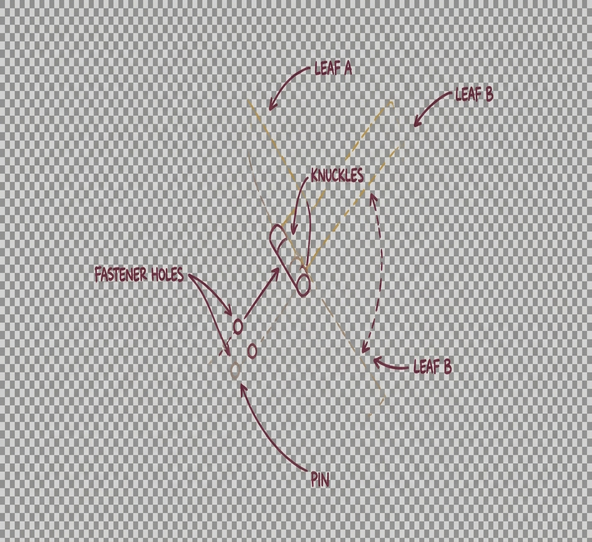
The required cavity depth varies significantly depending on whether the target garment is a standard cotton poplin or a heavier Oxford weave. To accommodate this variance, engineers set the collar cavity depth to a range of 48mm to 54mm. The iterative prototyping phase spanned 11 to 14 weeks.
Caution: The current living hinge design degrades after roughly 120 to 150 open-close cycles, making it suitable for seasonal travel but not permanent daily wardrobe storage.Shirtcase Material and Tolerance Specifications
| Component | Material Specification | Operational Range |
|---|---|---|
| Main Body | Thermoformed Polypropylene Blend | -15°C to 40°C |
| Living Hinge | Co-extruded Elastomer | 120 to 150 flex cycles |
| Collar Cavity | Custom Insert | 48mm to 54mm depth |
Results and Recognition
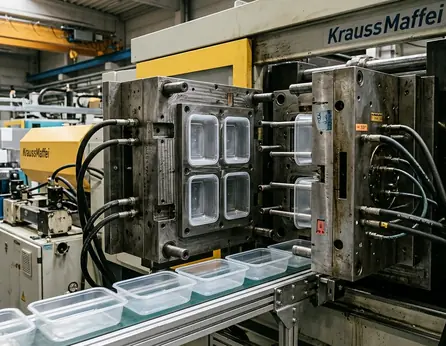
The decision to offer private label manufacturing emerged after analyzing the initial tooling costs. By standardizing the base mold and only swapping the embossed logo inserts, the production team improved manufacturing efficiency. Outcomes show tooling changeover times reduced to a window of about 3.5 to 4.5 hours. This modular approach aligns with the rigorous ISO 9001 and ISO 9000 standards maintained across our facilities, including the Miko-Hordijk Verpackungen GmbH subsidiary.
The product attracted immediate attention from Belgian royalty following its November 2014 launch. King Filip and Queen Mathilde visited the facility on 5 December 2014. Facility preparation for the royal visit required a strict 12-day protocol window. CEO Frans Van Tilborg highlighted the role of sustained innovation training, specifically noting the Robert Baron Stouthuysen Chair program, in driving these technical achievements.