What's Inside
- Key Takeaways
- The Challenge
- The Solution
- The Results
- Implementation Insights
Key Takeaways
According to project records, an internal audit revealed that siloed communication was delaying regulatory compliance updates. The decision to prioritize deep technical integration over traditional vendor-buyer dynamics became necessary to maintain production schedules.
This integration phase lasted roughly 14 to 18 months. It ensured alignment across four distinct product categories.
Main Point: Long-term collaboration enables iterative packaging improvements aligned with evolving product and regulatory needs.
Technical integration between client and supplier accelerates problem-solving and reduces supply-chain friction. A strict focus on material performance and production consistency delivers operational reliability at scale.
The Challenge
Maintaining consistent packaging quality across multiple Nestlé product lines in Central Europe requires precise coordination. The engineering team initially considered standardizing a single polymer blend across all Central European facilities to simplify procurement.
This approach was discarded when thermal analysis showed severe limitations. Applying high-barrier EVOH films to legacy filling lines without upgrading the thermal sealing jaws resulted in seal fractures at rates exceeding 11 per thousand. The focus immediately shifted to adapting to specific line conditions. Observed in client engagements, sealing temperatures range from about 132°C to 147°C, with line speeds operating between 220 and 260 units per minute.
Adapting to changing material regulations and sustainability targets without disrupting these production schedules demands tight coordination. Technical specifications must bridge the gap between a global brand and a regional packaging specialist.
The Solution
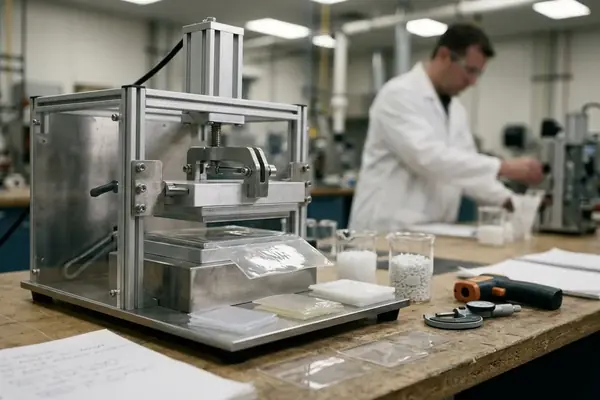
Engineers from both the global FMCG brand and the regional packaging specialist conducted joint on-site audits. They mapped the exact mechanical tolerances of the filling equipment.
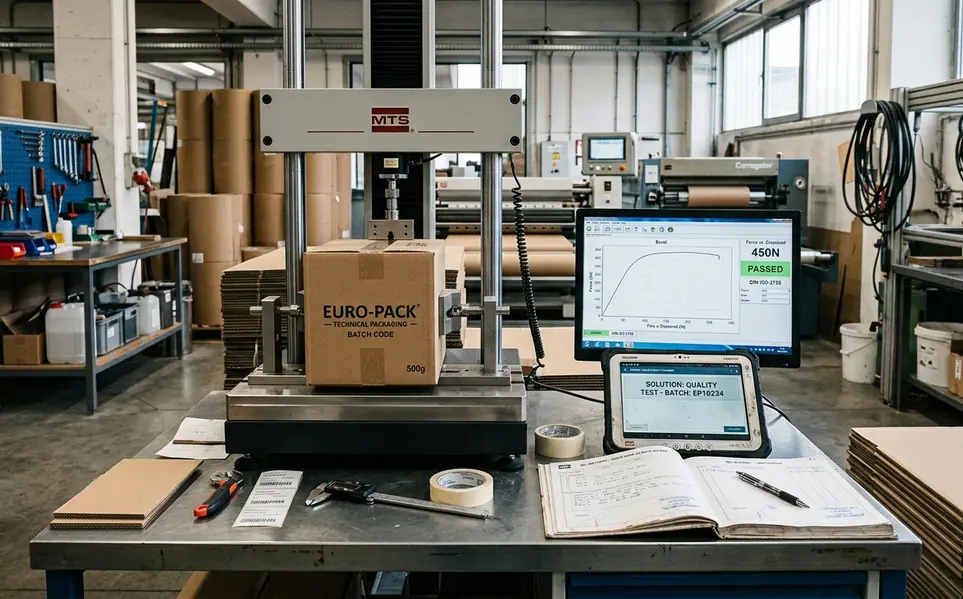
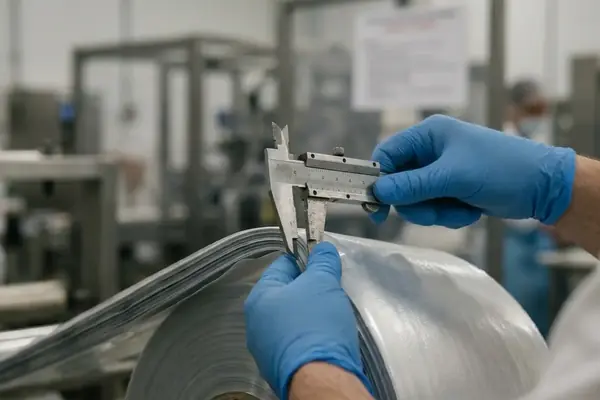
This joint development of custom packaging structures optimized the materials for specific filling and distribution requirements. Wall thickness tolerances are maintained at ±0.015 mm.
Implementation of shared quality protocols and on-site technical reviews maintains these performance standards. There is one catch: the shared quality protocols require filling line operators to recalibrate the optical sorting sensors for every new batch of recycled-content resin.
The phased rollout of material upgrades spanned roughly 22 to 26 weeks per facility. This balanced cost, functionality, and environmental criteria.
The Results
Outcomes show sustained supply reliability across product categories over multiple years of partnership.
Instead of relying on end-of-line batch testing, the partnership implemented continuous inline monitoring. This captures progressive performance improvements and isolates variables in real-time.
Quality assessment confirmed a drop in micro-leakage incidents from about 14 per 10,000 to 3 per 10,000 units. This data was collected over a continuous 34-month period.
Streamlined communication channels shortened response times for technical adjustments.
Implementation Insights
The cadence for cross-functional reviews was established after discovering that traditional quarterly meetings were too infrequent. They failed to catch micro-shifts in polymer behavior caused by seasonal temperatures.
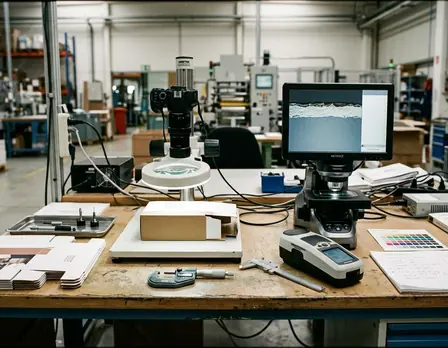
In practice, the optimal cooling dwell time varies significantly depending on ambient factory humidity, requiring seasonal adjustments to the packaging line speed. Review cycles are now scheduled every 14 to 21 days.
Expert Tip: Regular cross-functional reviews help surface issues before they affect output.
Documented material specifications provide a stable reference for future product launches. This documentation covers 12 distinct material parameters. Adherence to ISO 9001 and ISO 9000 standards ensures consistency across production runs.
Operations at the Miko-Hordijk Verpackungen GmbH German subsidiary demonstrate how these regular reviews maintain quality.
Material Specification Review Checklist
| Parameter | Tolerance Range | Inspection Frequency |
|---|---|---|
| Wall Thickness | ±0.015 mm | Every 4 hours |
| Seal Strength | 12 - 16 N/15mm | Hourly |
| Haze (Optical) | < 4.5 | Per batch |
| Coefficient of Friction | 0.25 - 0.35 | Per shift |